AC repair in Buffalo Creek, CO
Connect with an independent provider for cooling issues around Buffalo Creek.
AC Repair
TownBuffalo Creek, CO
CountyJefferson
ZIP80425
- 6years of experience
- 2,200customers served
- 13team members
- Since 2019serving homeowners
Cooling diagnostics for Buffalo Creek’s mountain-area homes
Buffalo Creek’s homes are commonly mountain-area residences, cabins, and rural properties set among forested land and rolling terrain, where ac repair may involve equipment exposed to wind, dust, and changing weather. The community is in Jefferson County southwest of the Denver metro area, near Pine and the Buffalo Creek recreation area. Home layouts can include crawl spaces, unfinished basements, and equipment in utility rooms or attics. We connect callers with independent providers who can evaluate the reported system problem.
Summer heat and humidity
Summer afternoons can be warm even when nights cool down at elevation. Indoor comfort can be affected by solar gain, limited insulation in older structures, or a system that is short cycling instead of running long enough to cool evenly.
Basements, crawl spaces and attics
Mountain-area homes can have mechanical equipment in basements, crawl spaces, lofts, or attic cavities. Access conditions matter when a provider needs to inspect a blower motor, thermostat wiring, refrigerant lines, or drain components.
Water, drainage and flooding
Sloped sites and storm runoff make drainage around the home important. Water near indoor cooling equipment can be linked to a drain problem, while runoff around an outdoor unit can affect its pad and access path.
Power supply and storms
Thunderstorms, wind, and outages can affect the power supply to cooling equipment. A provider may inspect the disconnect, circuit protection, capacitor, contactor, and wiring after electrical symptoms occur.
What central air repair can involve in Buffalo Creek
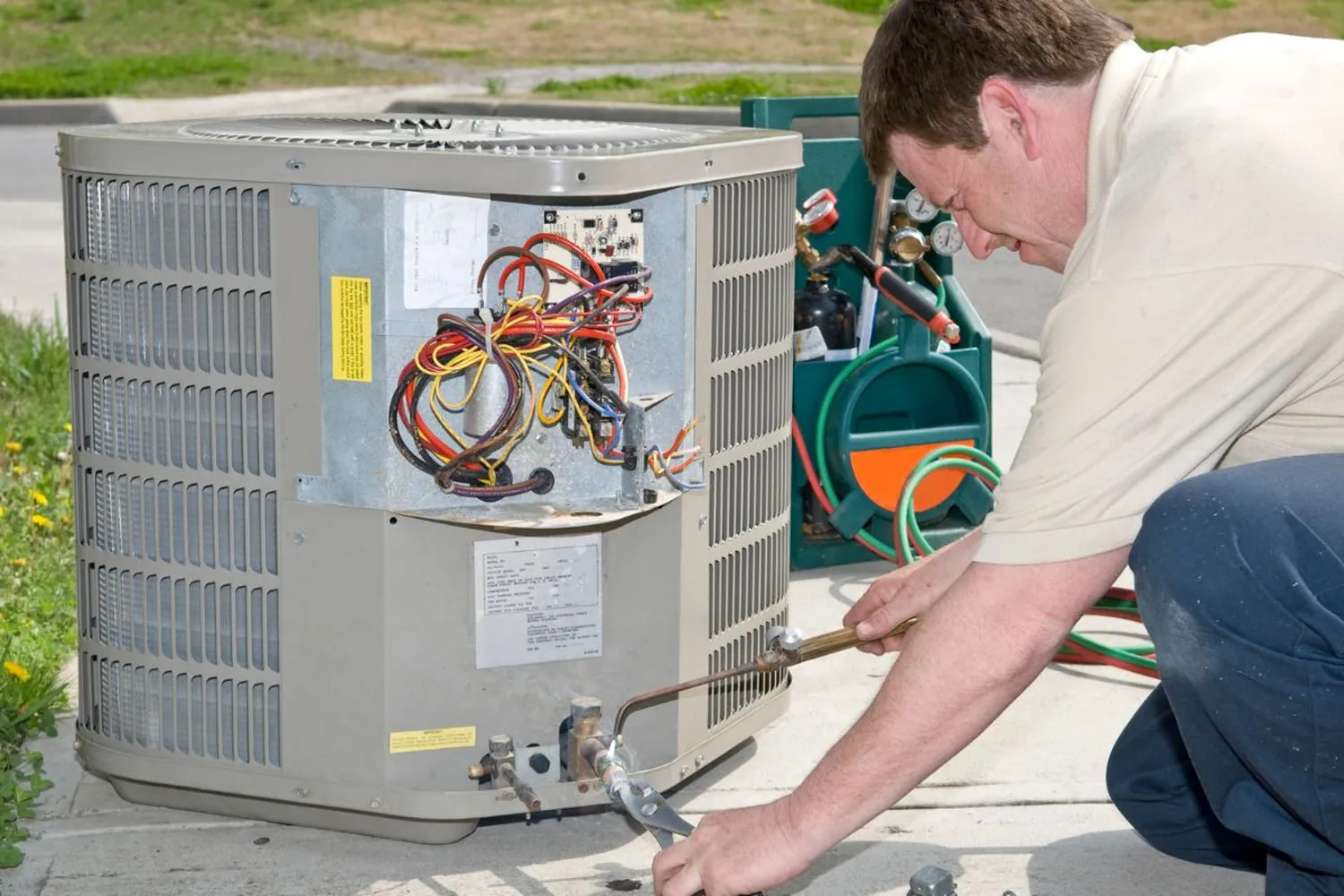
Many homes use a central cooling system with an indoor blower and an outdoor condenser, although equipment and duct layouts vary considerably by property. For home AC repair, the provider can locate the indoor and outdoor sections, confirm thermostat settings, and check whether the system is calling for cooling. Access should be discussed in advance when equipment is behind a crawl-space hatch or on a steep lot.
An air conditioner not working can be caused by a failed capacitor, worn contactor, thermostat problem, blower motor fault, or compressor issue. The technician may inspect the condenser coil and test electrical components before identifying a failed part. A system that starts and stops repeatedly needs diagnosis rather than repeated reset attempts.
A refrigerant leak requires a provider to locate and assess the leak rather than simply assume a refrigerant recharge is the answer. Refrigerant pressure readings help diagnose system operation, and the equipment label identifies the refrigerant used, such as R-410A refrigerant in many newer systems. AC system repair may include a control, airflow, coil, electrical, or refrigerant-related correction based on those findings.
AC repair work in Buffalo Creek
| Part | What it does | Signs it is failing |
|---|---|---|
| Thermostat | Signals the cooling system when to start and stop. | Incorrect readings, blank display, or cooling that does not start. |
| Air filter | Catches airborne debris before air moves through the system. | Visible dirt, weak airflow, or more dust around vents. |
| Evaporator coil | Absorbs heat from indoor air during cooling. | Warm air, ice buildup, or reduced airflow. |
| Condenser unit | Releases heat outdoors through the compressor, coil, and fan. | Warm air indoors, unusual outdoor noises, or a fan that does not run. |
| Condensate drain | Carries moisture collected during cooling away from the equipment. | Water near the indoor unit, drain overflow, or musty odors. |
Mountain weather around Buffalo Creek
Buffalo Creek’s elevation and forest setting bring large temperature swings, dry spells, wind, and summer thunderstorms. Dust and pollen can build on filters and condenser coils, while pine needles and leaves can collect around outdoor units. Heavy runoff after storms can change conditions around equipment pads and access routes. Homeowners should keep vegetation and loose debris away from the unit without opening electrical compartments or spraying sensitive components.
Buffalo Creek
Homes in the community may be on wooded lots with variable equipment access and exposure to pine debris.
Pine
Nearby mountain homes often have sloped parcels, crawl spaces, and cooling equipment affected by shade and wind.
Foxton
Properties near the South Platte corridor can face changing terrain, drainage, and access conditions.
Deckers
Rural homes around Deckers may have long drives and outdoor equipment exposed to windblown dust and weather.
Buffalo Creek air conditioner questions
How can storm runoff and drainage around a Buffalo Creek property affect a cooling system?
Runoff can erode soil near an outdoor unit, create standing water, or make access difficult after a storm. Indoors, water may come from a blocked condensate drain rather than outdoor flooding. A provider can distinguish between a drainage issue at the system and water entering from the site.
What should a landlord with a Buffalo Creek rental home do when the central system stops cooling?
The landlord or property manager should document the symptom, arrange access, and tell the provider whether occupants reported noise, water, tripped breakers, or warm air. The independent provider can diagnose the equipment, but approval for repair work should come from the party responsible for the property.
Can pine pollen, dust, and trees around Buffalo Creek contribute to central air repair needs?
Pollen, dust, needles, and leaves can restrict airflow through filters and outdoor coils. Restricted airflow can contribute to poor cooling and strain on equipment. Keep debris cleared from around the condenser and have a provider inspect coil condition when performance changes.
Which safety signs at a Buffalo Creek home mean the cooling system should be shut off?
Turn the system off if there is smoke, a burning electrical smell, sparking, a damaged electrical disconnect, or repeated breaker trips. Do not touch exposed wiring or keep resetting a breaker. Contact an independent provider for evaluation, and call emergency services if there is an immediate fire or electrical hazard.
What details help when describing a Buffalo Creek AC problem by phone?
State whether the thermostat has power, whether the indoor blower runs, whether there is warm air, water, ice, noise, or a tripped breaker. Include the equipment location, model information if available, and when the symptom began. Those details help connect you with a provider prepared for the type of residential AC repair needed.
Need air conditioner repair in Buffalo Creek?
Tell us your town and what is happening.